


Reputation plays a bigger role in a Pawn Shop Business appraisal than many owners realize. A clean balance sheet and steady revenue matter, but they don’t tell the full story of what makes a pawn operation valuable. Buyers and appraisers now place major weight on customer trust, online reputation, and long-term community standing. A strong reputation can increase perceived stability and reduce risk, two elements that directly translate into a higher valuation.
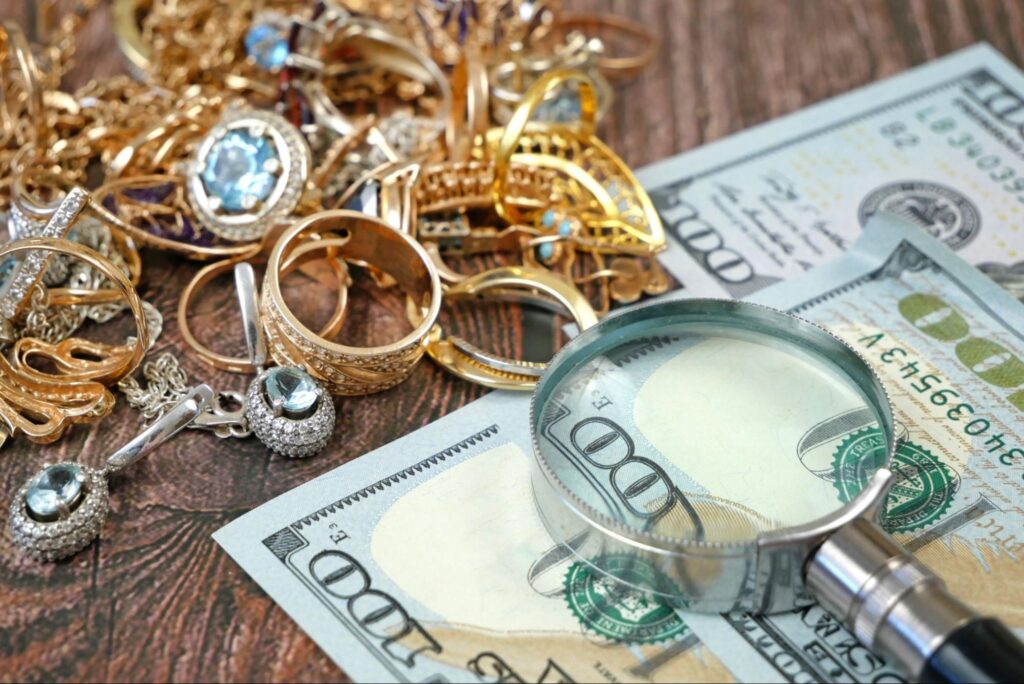
The Human Side of Value in a Pawn Shop Business
Every Pawn Shop Business relies on one key element, trust. Customers walk through the door expecting fair appraisals, honest deals, and confidentiality. A shop that consistently earns customer confidence builds a strong reputation that shows up in every part of the appraisal process.
Buyers see a reputable pawn business as easier to operate, less risky, and more likely to maintain steady traffic. Word-of-mouth loyalty and repeat customers provide something that financial statements can’t capture on their own. This emotional connection to the community creates long-term value and sustainability.
Why Reputation Matters to Appraisers and Buyers
Reputation affects everything from walk-in traffic to collateral loan performance. When an appraiser or potential buyer reviews your business, they’re not only looking at loan data or retail sales numbers, they’re studying how your business is perceived.
A strong reputation signals consistent customer relationships, reliable service, and well-managed transactions. Positive online reviews, low customer complaints, and clear communication practices all suggest operational integrity. These signals reassure buyers that your Pawn Shop Business can maintain its profitability after the transition of ownership.
In short, reputation reduces uncertainty. And in business sales, lower perceived risk usually means a higher offer.
Online Reviews and Their Impact on Valuation
Appraisers and buyers often review a Pawn Shop Business’s online presence before ever requesting financial statements. Search engines, Google Business Profiles, and social platforms tell a story about how your community views your operation.
A business with hundreds of positive reviews or strong local engagement often stands out as a stable, trustworthy investment. Even a small increase in average rating can affect perceived value. A consistent four-star or higher rating helps buyers predict ongoing customer loyalty, which directly supports future cash flow projections.
Responding to feedback also matters. Buyers notice when owners handle complaints professionally. It shows strong management and commitment to reputation maintenance, both traits that raise confidence during an appraisal.
Community Reputation and Local Presence
The strength of a Pawn Shop Business extends beyond its storefront. Long-term participation in local events, sponsorships, or charitable programs builds visibility and community trust. In smaller towns and cities, this presence becomes an asset that’s difficult to replicate.
An appraiser assessing goodwill, the intangible value of brand reputation, will factor in your community engagement. Businesses that are known, liked, and respected in their market often see stronger customer retention and faster inventory turnover. This translates into a higher goodwill component in the final valuation.
Staff Relationships and Internal Culture
A trusted Pawn Shop Business not only builds credibility with customers, but it also builds it within its team. Experienced employees who treat customers fairly and maintain compliance standards are a direct reflection of management.
During appraisals, staff reputation and stability become part of operational risk analysis. A business with low turnover, trained employees, and consistent customer satisfaction scores earns a better risk rating. Buyers pay attention to these details because they know loyal staff are key to maintaining performance after the sale.
Managing Reputation During the Sale Process
Protecting your reputation during the sale process is crucial. Confidentiality breaches, rushed sales, or miscommunication can quickly damage public trust. Buyers prefer businesses that maintain normal operations throughout the transition.
Before listing your Pawn Shop Business, update your customer communication plan and ensure your online information is current. Consistent messaging across platforms, hours, contact info, and services helps reinforce credibility. If customers sense stability, they’ll keep doing business during and after the sale, preserving value for both parties.
Turning Reputation Into Tangible Appraisal Value
A strong reputation adds measurable worth to a Pawn Shop Business through:
- Goodwill Valuation: Appraisers assign a higher goodwill value to brands with community loyalty and consistent customer engagement.
- Repeat Business: Regular clients mean predictable loan activity and stable revenue, both of which raise long-term projections.
- Reduced Buyer Risk: A business known for integrity lowers the risk of post-sale customer drop-off, which increases buyer confidence.
- Easier Financing: Lenders often approve deals faster for businesses with strong reputations since they indicate reliable performance.
- Higher Buyer Interest: Good public perception attracts more potential buyers, creating competition that can increase your final sale price.
The better your reputation metrics, the stronger your leverage during negotiations.
Maintaining Reputation After Ownership Transition
A seamless transition plan helps protect your legacy and ensures the new owner inherits not just your business, but your customer trust. Introducing key employees, vendors, and loyal customers to the buyer can make a huge difference. It signals continuity and keeps the business’s goodwill intact.
Appraisers consider transition planning part of operational health. A well-executed handoff supports the idea that the business’s reputation will survive ownership change, a major value multiplier.
FAQs
1. How does customer reputation impact a Pawn Shop Business valuation?
A strong reputation increases perceived stability, customer loyalty, and reduces risk, which directly boosts appraisal value.
2. Can online reviews influence how much my Pawn Shop Business is worth?
Yes. Consistent positive reviews and professional responses build trust, making buyers more confident in future cash flow.
3. What non-financial factors affect a Pawn Shop Business appraisal?
Customer relationships, staff quality, community involvement, and local reputation all contribute to perceived business strength.
4. How can I improve my business reputation before selling?
Encourage customer feedback, resolve complaints quickly, engage locally, and keep all public business information up to date.
5. Do appraisers include goodwill from reputation in their valuation?
Yes. Appraisers quantify goodwill, which reflects customer trust, brand strength, and ongoing market presence.
Reputation is more than a marketing buzzword, it’s a financial asset in every Pawn Shop Business appraisal. Customer trust drives repeat business, shapes goodwill, and determines whether a buyer views your operation as a risk or a reward. The numbers matter, but your reputation is what keeps the business valuable in the long run. Protect it, invest in it, and highlight it during every stage of the selling process.
Contact Stallcup Group at 817-479-3880 for professional insight into your Pawn Shop Business valuation and proven exit strategies.
Share