
A public “pawn shop for sale” listing usually costs the seller more than it returns: it exposes the sale to employees and customers, puts an asking price in front of every buyer, and draws inquiries from people who cannot get licensed or funded. Stallcup Group, founded by Steve Stallcup, a 23-year veteran of Cash America International, has guided more than 304 pawn shop business owners through successful exits since 2009, representing over $614 million in combined transaction value. As an affiliate of the National Pawnbrokers Association, Stallcup Group represents sellers only. This guide covers six costs of a public listing, the warning signs, and how a confidential process protects your leverage.
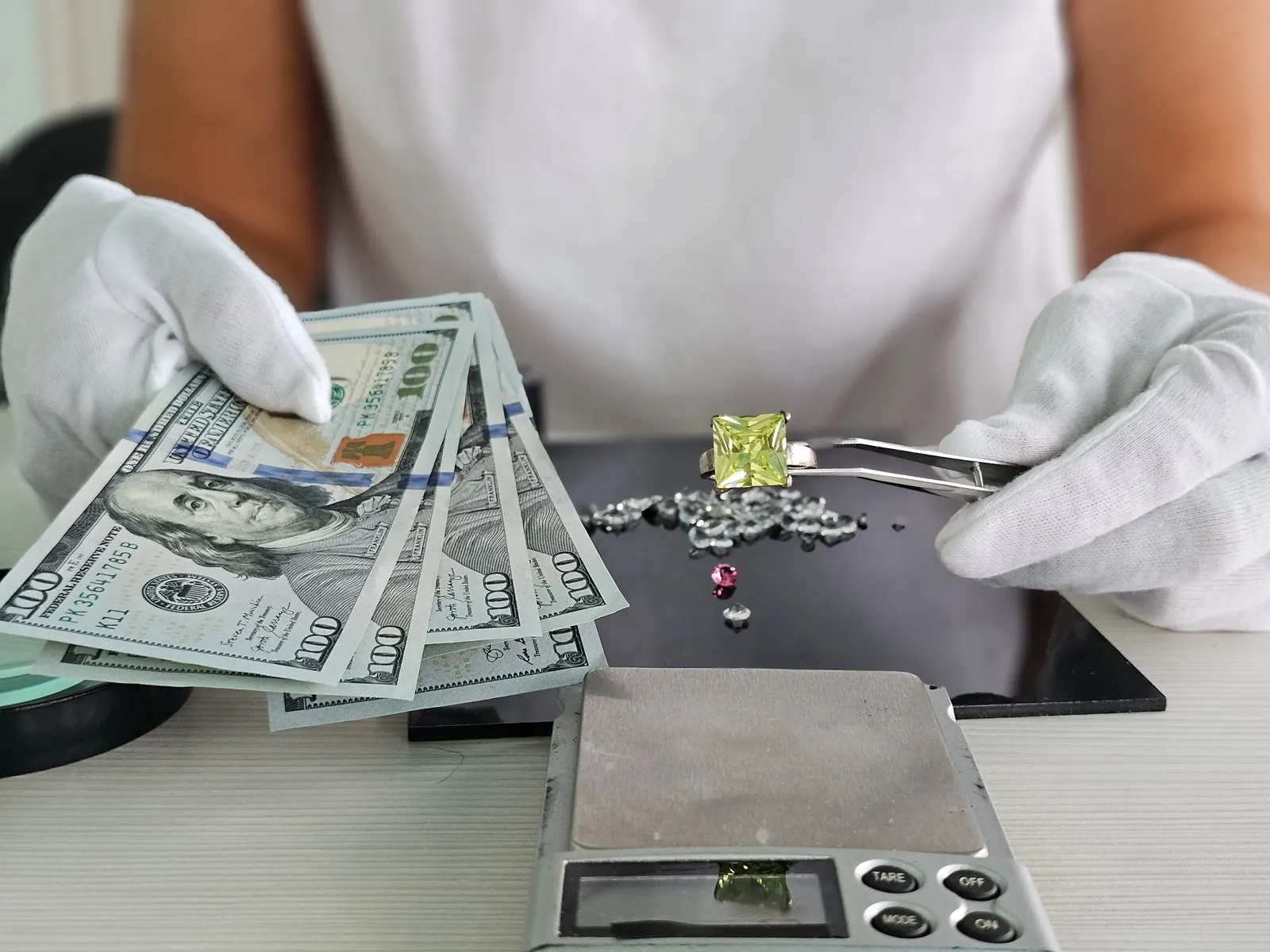
What a Pawn Shop for Sale Listing Actually Is
A public listing is an advertisement for a business, placed on a marketplace, a broker website, a trade classified, or social media, that invites anyone to inquire. It typically shows the business type, general location, years in operation, a revenue or earnings range, and an asking price. Even a listing that hides the shop’s name is visible to everyone who browses the platform.
People who search for pawn shops for sale include experienced operators, investors, first-time entrepreneurs, and the merely curious. For a seller, the question is not whether buyers exist. It is which buyers see the listing, what the listing reveals, and what that exposure does to the sale.
Six Ways a Public Listing Costs Sellers Leverage and Price
All six costs share one root cause: a public listing starts the sale before the seller has prepared for it.
1. Staff, customers, and vendors can learn about the sale first
A pawn shop runs on trust. Employees want stable jobs, customers leave items as collateral and expect them to be safe, and vendors and lenders expect a steady operation. A visible listing, or a rumor that follows it, can unsettle all of them before you decide how and when to tell them.
2. The asking price becomes every buyer’s starting point
A listed price is visible to every prospective buyer. Set it too low and you leave value on the table, and set it too high and the listing stalls. Either way, buyers negotiate from the number on the page instead of from the documented performance of your loan portfolio and inventory.
3. Unqualified inquiries pull you away from the business
Public listings draw people without pawn experience, financing, or a path to the required license. Pawnbroker licenses are generally not transferred automatically to a new owner, so every serious buyer must qualify on their own. Sorting through inquiries takes time that belongs to running the shop.
4. Listing details can identify your shop
In many markets, a region, years in business, employee count, and a revenue range are enough for staff or competitors to recognize a shop. Once a listing is recognized, the seller no longer controls who knows.
5. A listing that stays up invites discounting
Time on the market reads as a signal. Buyers who see a listing that has been up for months wonder what is wrong, even when the real reason is pricing or timing. That perception gives them room to ask for better terms.
6. Inquiries arrive one at a time instead of side by side
Better terms usually come from several qualified buyers evaluating the business at the same time. A public listing tends to produce sequential conversations, so the first workable offer can arrive before any alternative exists. Without a comparison, the seller has less leverage on price and terms.
Warning Signs You Are Heading Toward a Listing Too Early
If any of these sound familiar, pause before you post:
- You are choosing a platform before you have an independent view of what the business is worth.
- You plan to set the asking price from a rough guess or from other listings.
- Your financial records and loan portfolio reports are not organized for outside review.
- Staff or key customers could easily recognize the description you plan to publish.
- No one has been assigned to field inquiries and screen buyers.
- You are considering sharing financials before a signed non-disclosure agreement.
- You feel pressure to “get it out there” because of timing.
None of these mean you should not sell. They mean preparation should come before exposure.
Selling Without a Public Listing: Do It Yourself or Use an Advisor?
Some sales do not need an advisor. If you already know the buyer, such as a trusted manager or a known operator, you can negotiate directly while your CPA and attorney guide the paperwork.
Most owners do not have a buyer in hand. They need a valuation grounded in pawn metrics, access to qualified buyers, signed non-disclosure agreements, staged disclosure, and help coordinating licensing through closing. Advisors vary widely, so it helps to know how to vet a pawn shop sale consultant and whether a broker knows the pawn industry.
Public Listing vs. Confidential Outreach: Side by Side
The table compares how each approach handles the factors that drive leverage.
Factor | Public listing | Confidential outreach |
|---|---|---|
Who sees it | Anyone browsing the platform | Pre-screened pawn buyers who sign a non-disclosure agreement |
Confidentiality | Details are visible to anyone who knows the market | Blind profile; identity released only after qualification |
Price signal | Asking price is visible to every buyer | Price discussed with qualified parties after a valuation |
Buyer qualification | Seller sorts through inquiries | Buyers screened for capital, experience, and licensing path first |
Competitive tension | Inquiries arrive one at a time | Qualified buyers engaged on one timeline |
Information control | Seller reacts to requests | Staged disclosure, from summary to detailed records |
Best fit | Closing shops or sellers who prioritize exposure over confidentiality | Operating shops with staff, customers, and loan collateral on site |
Pros and cons
- Public listing, pros: wide reach and little effort to post. Cons: the six costs above and no control over who sees it.
- Confidential outreach, pros: control over disclosure, screened buyers, and offers that can be compared. Cons: it requires upfront preparation and a pawn-specific buyer network.
Not sure which approach fits your pawn shop business? Stallcup Group offers a free consultation with no upfront retainer. Call 817-479-3880 to talk it through in confidence.
How a Confidential Sale Works for a Pawn Shop Business
A confidential process replaces broad exposure with controlled disclosure. The sequence looks like this:
- Get an independent pawn shop business valuation built on loan portfolio yield, redemption history, inventory, and earnings.
- Organize your records with a pre-sale evaluation checklist.
- Define the buyer universe: chains, regional operators, experienced pawnbrokers, and investors, using screening criteria that protect value.
- Prepare a blind profile that describes the business without naming it or pinpointing its location.
- Require a signed non-disclosure agreement and confirm financial capacity and the licensing path before any introduction.
- Release information in stages, from summary financials to detailed records to a site visit.
- Run conversations with qualified buyers on one timeline so offers can be compared.
- Coordinate licensing and closing, as laid out in the full step-by-step sale process.
Reach matters too. Serious buyers are not always local, so learn how to market a pawn shop business to national buyers without publishing it to everyone.
When a Public Listing Can Still Make Sense
A public listing is not always the wrong tool. It can fit a shop that is already closing, a seller who values maximum exposure over confidentiality, or a deal where the listing is one controlled channel inside a larger managed process.
Even then, set the price from a valuation, leave out identifying details, and screen every inquiry before sharing records.
Who Buys Pawn Shop Businesses Across the Country
Buyers fall into four groups: national chains, regional multi-location operators, experienced individual pawnbrokers, and financial investors. Each weighs the same shop differently. A chain may focus on location and volume, while an individual operator may care most about customer loyalty and a clean loan portfolio.
Experienced buyers know the licensing path and the metrics to check, so they tend to respond to documented opportunities more than to general listings. They also expect clear answers to the questions pawn shop buyers want answered before they invest time.
For general guidance on preparing any business for sale, see the SBA guidance on closing or selling a business. For brokerage standards, see the International Business Brokers Association.
When to Call Stallcup Group
If you are weighing a listing, have received interest, or want to know what your shop would bring, a conversation before you publish anything keeps your options open. Stallcup Group provides exit strategy consulting, valuation, confidential buyer outreach, and closing support for pawn shop business owners nationwide. There is no upfront retainer, and compensation is a success fee at closing.
Our exit strategy consulting approach is built around the confidential process described above, and the proprietary C.A.R.E. Closing process keeps licensing, documentation, and logistics on track from letter of intent to final transfer.
Why Pawn Shop Business Owners Choose Stallcup Group
What We Offer | What It Means for You |
|---|---|
304+ pawn shop businesses sold since 2009, representing over $614 million in combined transaction value | A verifiable record of sales across markets, so you can judge the process before you start |
Steve Stallcup, founder, with 23 years at Cash America International, the world's largest pawn operator | Pawn operating and acquisition experience that generalist brokers do not have |
National Pawnbrokers Association affiliate membership | Industry credibility with the buyers who matter most in a pawn shop sale |
Advising pawn shop business owners since 2009 | Experience guiding owners through confidential sales, not public listings |
Seller testimonials from pawn shop business owners | Hear directly from owners who have sold through a confidential process |
No upfront retainer | Advisory support with no financial obligation until closing; compensation is a success fee at closing |
Free initial consultation | Learn what your pawn shop business is worth and who should see it, with no obligation |
Confidential transaction management | Staff, customers, and loan collateral stay protected because nothing goes public |
A structured method that keeps licensing, documents, and logistics on track through closing | |
National pawn-specific buyer network | Access to pre-screened chains, regional operators, and investors without a public listing |
Frequently Asked Questions: Selling a Pawn Shop Business Without a Public Listing
Should I list my pawn shop business for sale publicly?
For an operating shop, usually not as a first step. A public listing exposes the sale to employees, customers, and vendors, shows an asking price to every buyer, and attracts inquiries from people who cannot qualify. A confidential process lets you value the business, organize records, and reach qualified pawn buyers under a non-disclosure agreement before anything becomes public.
Why do public listings cost pawn shop sellers leverage?
Leverage comes from preparation, control of information, and competing buyers. A public listing starts the sale before you are prepared, puts your asking price and identifying details in the open, and tends to produce one inquiry at a time instead of several qualified buyers evaluating the business together.
What is a blind profile?
A blind profile is a short description of a business that leaves out its name, exact location, and other identifying details. It lets qualified buyers judge fit, such as business type, general market, and earnings range, without learning who the seller is. Identity and records are released only after a buyer signs a non-disclosure agreement and is screened.
Who sees a public pawn shop listing?
Anyone who browses the platform or searches the term can see it, including prospective owners, investors, competitors, employees, and customers. That reach appeals to some sellers, but for a shop that depends on staff and customer trust it is also the main risk.
Can a listing identify my pawn shop even without my name?
Yes. Region, years in business, number of employees, and a revenue range can combine to point to a single shop, especially in a smaller market. Anyone familiar with the local market, including staff and competitors, may recognize it.
What happens when a listing sits for a long time?
Buyers often read a long-running listing as a sign that something is wrong, even when the cause is pricing or timing. That perception can lead to lower offers or requests for concessions. A valuation completed before listing helps you avoid pricing the business in a way that stalls.
How does a confidential sale process work?
The business is valued first and its records are organized. A blind profile goes to pre-screened buyers, who sign a non-disclosure agreement before receiving details. Information is released in stages, offers are compared on one timeline, and licensing and closing steps are coordinated through the transfer.
When should a non-disclosure agreement be signed?
Before any financial statements, loan portfolio reports, inventory details, or the shop’s identity are shared. The agreement gives you a legal basis for protecting that information and shows which buyers are serious. Have your attorney review the form that is used.
Do I need a broker or consultant to run a confidential process?
You can run a limited process yourself if you already know the buyer. Most owners benefit from an advisor who understands pawn valuation, has access to qualified buyers, and can manage non-disclosure agreements, staged disclosure, negotiation, and licensing coordination while the owner keeps running the shop.
How might employees and customers react to rumors of a sale?
Employees may worry about their jobs and start looking elsewhere, and customers may question whether their pledged items are safe. Vendors and lenders may also ask questions. Keeping the circle small and sharing details only with signed, qualified buyers helps limit these reactions.
What types of buyers acquire pawn shop businesses?
Active buyers include national pawn chains, regional multi-location operators, experienced individual pawnbrokers, and financial investors with industry management teams. Each group has different criteria, which is why matching your shop to the right buyer type matters more than maximum exposure.
Do buyers need a license to operate a pawn shop they acquire?
Generally yes. Pawnbroker licenses are not automatically transferred to a new owner, so a buyer must qualify under state and local rules before operating. Buyers who do not understand the licensing path often cannot close, which is one reason qualification matters before introductions.
Is there ever a good reason to use a public listing?
It can make sense for a shop that is already closing, for a seller who prioritizes exposure over confidentiality, or as one controlled channel inside a managed process. Even then, price the business from a valuation, remove identifying details, and screen every inquiry before sharing records.
Does public exposure make a pawn shop sell faster?
Not necessarily. Exposure can increase the number of inquiries, but speed depends on preparation, pricing, and the number of qualified buyers. Well-prepared businesses with organized records tend to move through the process more efficiently than those that go to market first and prepare later.
How does Stallcup Group run buyer outreach?
Stallcup Group conducts confidential outreach to pre-screened pawn industry buyers under non-disclosure agreements, with staged disclosure and one accountable lead through closing. There is no upfront retainer. Compensation is a success fee earned only at closing, backed by more than 304 completed pawn shop business transactions.
Talk to Stallcup Group Before You List Your Pawn Shop Business
Before you post a listing, find out what your pawn shop business is worth and who should see it. Stallcup Group has closed more than 304 pawn shop business transactions, is an affiliate of the National Pawnbrokers Association, and offers a free, confidential consultation with no upfront retainer. Call 817-479-3880 to get started.